
Independent Verification of Magnetic Shielding Effectiveness in Clinical Environments
A Technical Position Statement by ELEXANA
© Copyright 2026
Abstract
Magnetic shielding systems designed for medical linear accelerator (LINAC) environments must be evaluated using rigorous, reproducible measurement protocols. When the entity responsible for shielding design and installation also performs effectiveness verification, a structural conflict of interest may arise. This paper outlines the physics of DC magnetic shielding validation, common measurement sensitivities, and the engineering rationale for independent third-party verification to ensure transparency, reproducibility, and clinical reliability.
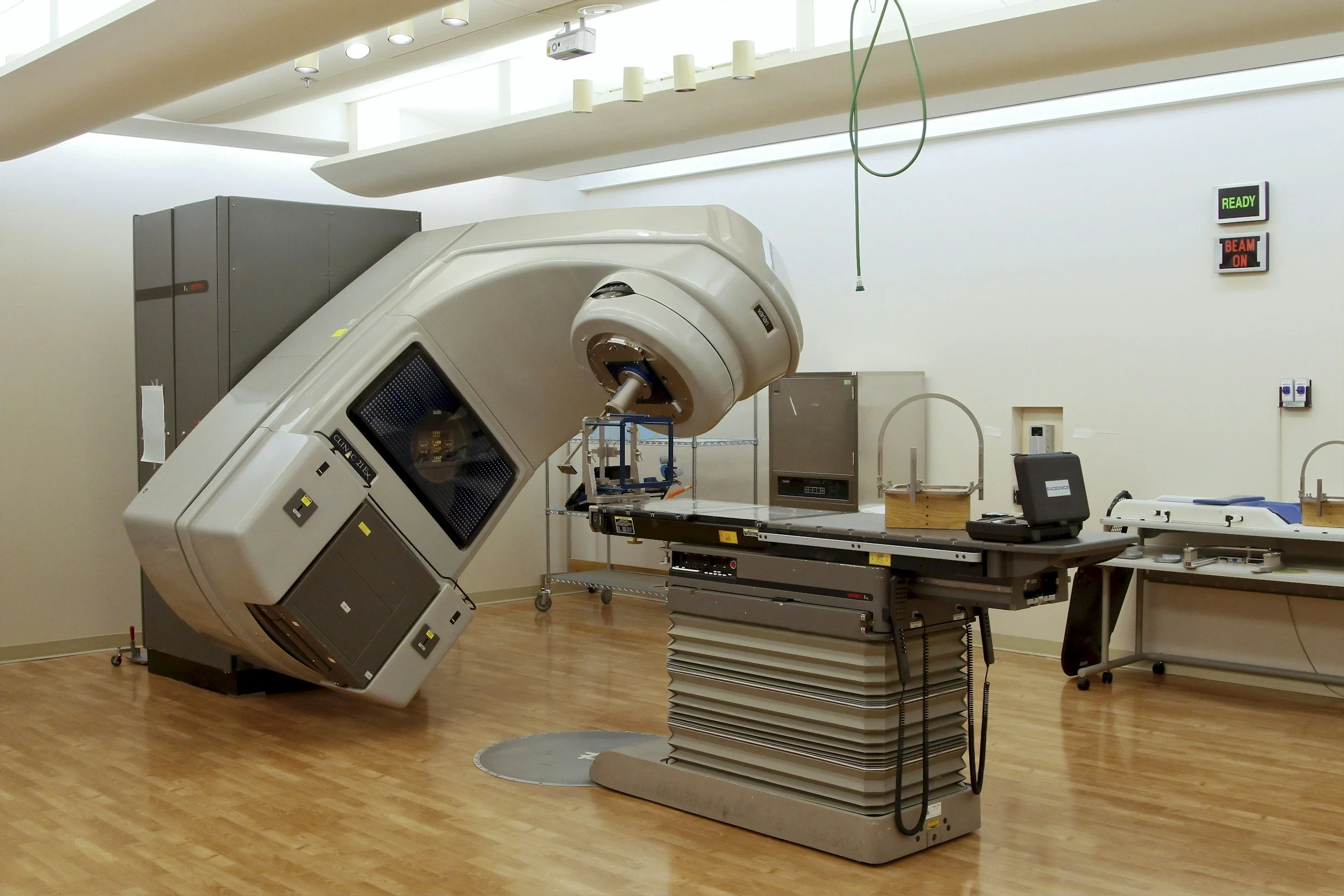
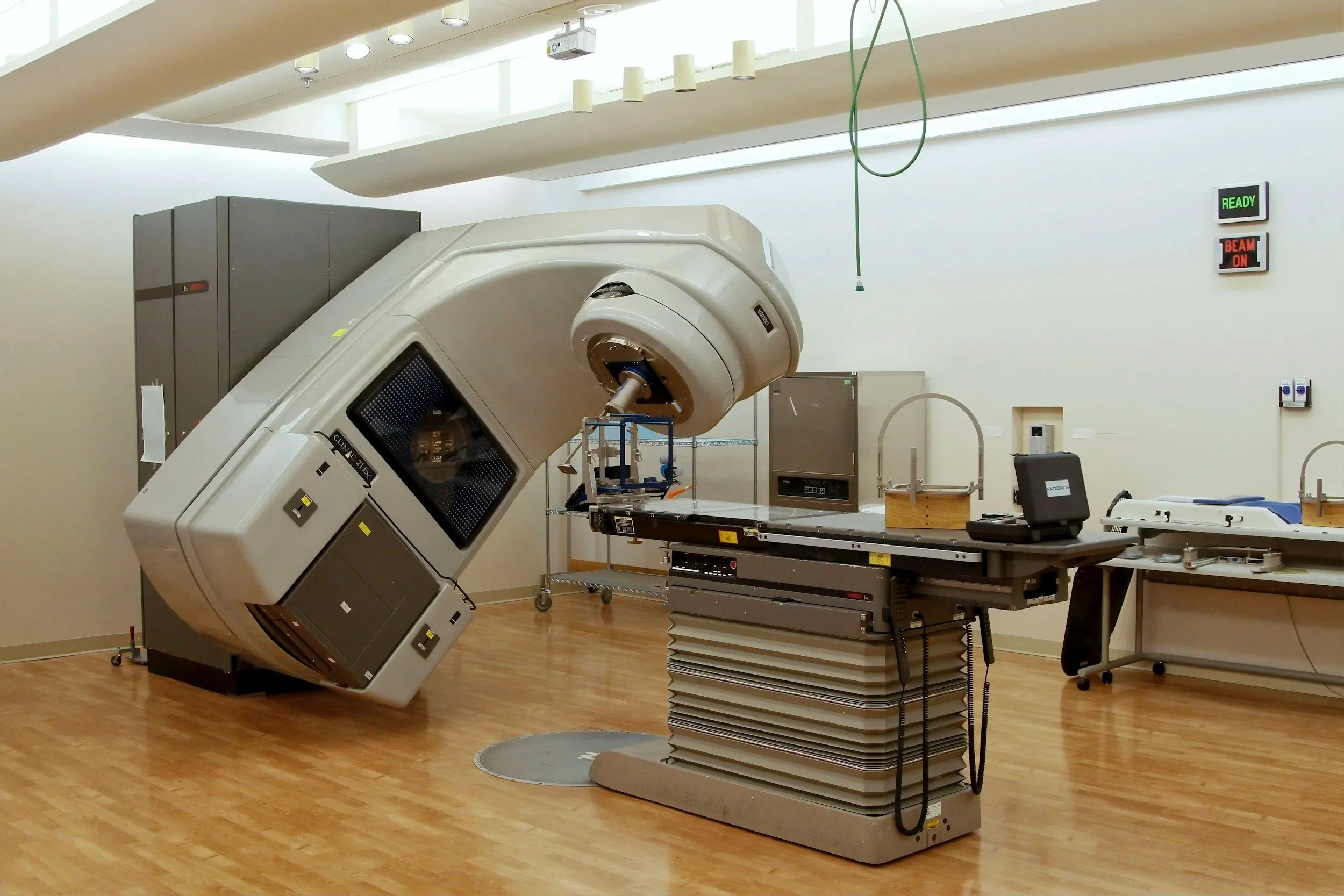
LINAC © 2026
I. Introduction
In high-sensitivity medical environments such as LINAC vaults, static and low-frequency magnetic fields must be controlled within defined tolerances. Shielding systems are often custom-designed and installed by specialized contractors who may also offer performance guarantees. While guarantees are commercially attractive, measurement integrity depends not only on the physical shield but also on the methodology used to validate it. Independent verification is widely recognized as best practice in engineering disciplines where performance claims must be objectively substantiated.
II. Physics of DC Magnetic Shielding Measurement
Magnetic shielding effectiveness is defined as S = B_external / B_internal and may be expressed in decibels as SE(dB) = 20 log10(S). For static and quasi-static fields, performance depends on relative permeability, thickness, continuity, seam treatment, edge return paths, source geometry, and measurement location. Because DC fields are spatially nonuniform, results are highly sensitive to measurement protocol.
III. Measurement Sensitivities and Validation Variables
1. Probe Placement. Field strength may vary several gauss across small spatial increments. Measurement height, proximity to seams, and grid resolution materially influence reported values.
2. Environmental Conditions. DC magnetic fields fluctuate due to MRI operational states, elevator movement, power switching, vehicular traffic, and natural geomagnetic variation. Measurements must reflect worst-case operating conditions.
3. Instrumentation. Accuracy depends on probe type, calibration traceability, sensor orientation, bandwidth, and temperature compensation. Improper orientation alone can significantly alter readings.
4. Spatial Averaging. Reporting average values rather than peak localized maxima may not reflect clinical equipment sensitivity thresholds.
5. Baseline Definition. Shielding effectiveness may be referenced to pre-install baseline, modeled field values, or selected peak measurements. The reference condition must be clearly defined.
IV. Structural Conflict of Interest Considerations
When a single entity designs, installs, and verifies shielding, performance evaluation is not independent of commercial outcome. This does not imply misconduct; however, incentive alignment toward favorable interpretation, selection bias in measurement location, and interpretation bias in defining acceptable thresholds may arise. Independent verification separates design responsibility, installation responsibility, and performance certification, consistent with standard engineering practice.
V. Guarantee Versus Verification
A guarantee is a commercial assurance. Verification is an engineering determination based on transparent methodology. A meaningful guarantee requires clearly defined performance criteria, transparent measurement protocol, traceable instrumentation, reproducible documentation, and independent confirmation.
VI. Recommended Best Practices for Shielding Validation
1. Conduct pre-install baseline mapping using defined grid spacing and documented measurement coordinates.
2. Establish a defined post-install measurement grid for direct comparison to baseline conditions.
3. Perform measurements under worst-case environmental operating conditions.
4. Utilize calibrated instrumentation traceable to recognized national standards.
5. Document sensor orientation, measurement height, and spatial coordinates.
6. Obtain independent third-party verification report to certify shielding effectiveness.
VII. Role of Independent Third-Party Testing
An independent evaluator has no financial stake in installation outcome and follows predefined measurement protocols. Independent documentation enhances client confidence, protects all parties from later disputes, and ensures performance claims are supported by defensible data.
VIII. Conclusion
In magnetically sensitive medical environments, shielding performance must be validated through rigorous, transparent, and reproducible measurement. While installation guarantees are commercially valuable, independent third-party verification represents the engineering standard for performance certification in high-consequence environments. ELEXANA supports objective validation methodologies that protect clinical reliability and ensure that performance claims are substantiated by defensible data.