
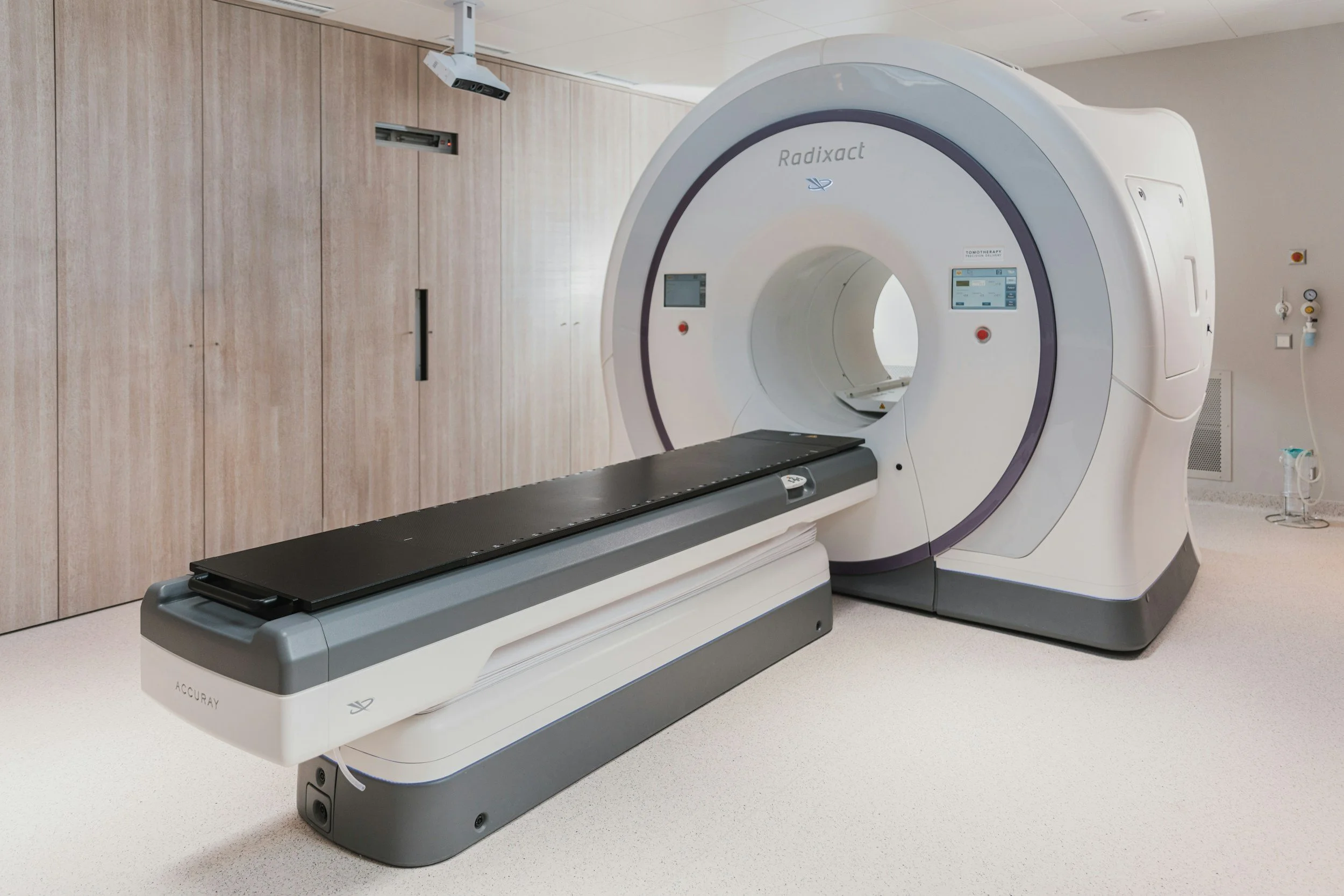
ISO 13485 is an international quality management system standard specifically developed for organizations involved in the design, development, production, installation, and servicing of medical devices. Its primary purpose is to ensure that manufacturers establish and maintain a structured, documented, and repeatable system for managing quality and risk throughout the medical device lifecycle. ISO 13485 focuses on process control, design controls, supplier management, traceability, corrective and preventive actions, and integration of risk management into product realization. In the context of a medical device, ISO 13485 governs how decisions are made, documented, reviewed, and justified, but it does not define technical performance limits, test methods, or safety thresholds for electromagnetic fields, electrical safety, or biological exposure.
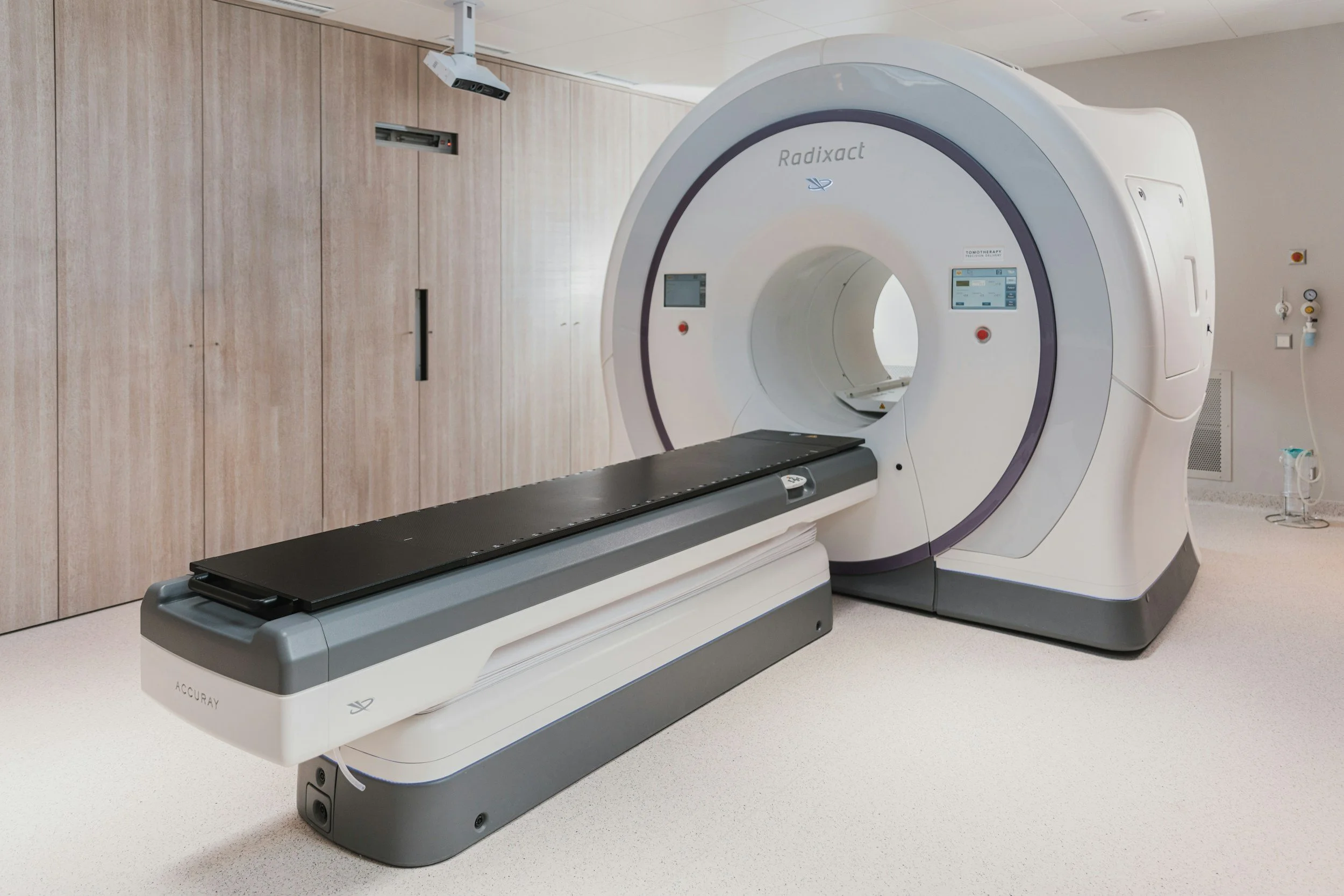
Importantly, ISO 13485 is not a testing standard and does not prescribe how EMC, EMI, or EMF testing must be performed. It does not specify acceptable emission levels, immunity thresholds, or exposure limits. Instead, it requires manufacturers to identify applicable standards, justify their selection, and demonstrate that risks associated with the device have been evaluated and controlled using appropriate verification and validation activities. Any EMC or EMF testing performed under an ISO 13485 quality system is therefore a means of supporting risk management and design verification, not a declaration of safety in itself.
The European Union Medical Device Regulation, EU MDR (2017/745), is a legally binding regulatory framework governing the placing of medical devices on the EU market. Unlike ISO 13485, which is a voluntary harmonized quality standard, MDR has the force of law and establishes explicit obligations for manufacturers related to safety, performance, clinical evidence, and post-market surveillance. MDR Annex I, the General Safety and Performance Requirements, requires manufacturers to identify, evaluate, reduce, and justify risks associated with medical devices, including risks arising from electromagnetic emissions, interference, and environmental interactions.
Under MDR, electromagnetic considerations are addressed through a risk-based framework rather than a single numeric exposure limit. The regulation requires that devices emitting radiation do so at levels compatible with their intended purpose and that exposure of patients, users, and other persons be reduced to the greatest extent possible. MDR does not define acceptable EMF exposure thresholds, nor does it mandate compliance with FCC, ICNIRP, or other exposure limits. Instead, manufacturers must demonstrate, through technical documentation, that electromagnetic risks have been considered, mitigated where feasible, and justified through a benefit–risk analysis.
MDR is also not an EMC test standard. While compliance with harmonized standards such as IEC 60601-1-2 may provide a presumption of conformity for certain requirements, MDR does not equate EMC immunity or emissions compliance with a comprehensive assessment of human exposure. Passing EMC tests demonstrates functional robustness and interference control, but it does not inherently characterize biological interaction or long-term exposure risk.
The IEC 61000-4 series comprises standardized electromagnetic immunity test methods used across many industries, including medical devices. These standards define how electromagnetic disturbances are generated, applied, and measured during immunity testing, but they do not define exposure limits or safety thresholds. They are referenced by product standards such as IEC 60601-1-2 to ensure consistent and repeatable testing conditions.
IEC 61000-4-3 addresses immunity to radiated radio-frequency electromagnetic fields. It subjects the equipment to controlled RF fields over a specified frequency range and field strength to evaluate whether device performance is degraded. This test assesses susceptibility to external RF sources, not the device's emissions or human exposure. IEC 61000-4-4 evaluates immunity to electrical fast transients and burst disturbances typically associated with switching events. IEC 61000-4-5 addresses surge immunity related to lightning or power system transients. IEC 61000-4-6 evaluates immunity to conducted RF disturbances coupled onto cables. IEC 61000-4-8 evaluates immunity to power-frequency magnetic fields, such as those generated by transformers or high-current conductors. None of the IEC 61000-4-x immunity standards is designed to assess human exposure to electromagnetic fields. They are device-centric stress tests intended to ensure that equipment continues to function safely in the presence of electromagnetic disturbances. These tests are typically short in duration, use artificial waveforms and controlled conditions, and focus on functional performance criteria rather than environmental exposure or biological interaction.
In summary, ISO 13485 governs how medical device manufacturers manage quality and risk, but does not define EMF exposure limits or test methods. EU MDR (2017/745) is a regulatory framework that requires manufacturers to identify, reduce, and justify electromagnetic risks but does not prescribe numeric exposure thresholds or specific measurement techniques. The IEC 61000-4-x standards define immunity test methods that evaluate device susceptibility and robustness, not human exposure. Human EMF exposure assessment, where relevant, is a separate analytical activity that may support risk management and technical documentation but is not replaced or satisfied by EMC immunity testing alone.
References:
ISO 13485:2016, Medical devices – Quality management systems – Requirements for
regulatory purposes.
Regulation (EU) 2017/745 of the European Parliament and of the Council on medical
devices.
IEC 60601-1-2:2014+AMD1:2020, Medical electrical equipment – Electromagnetic
disturbances – Requirements and tests.
IEC 61000-4-3, Electromagnetic compatibility (EMC) – Radiated, radio-frequency,
electromagnetic field immunity test.
IEC 61000-4-4, Electrical fast transient/burst immunity test.
IEC 61000-4-5, Surge immunity test.
IEC 61000-4-6, Conducted disturbances induced by radio-frequency fields.
IEC 61000-4-8, Power frequency magnetic field immunity test.
© Copyright 2026