EMI and EMC Testing in Hospitals and Medical Centers
by James Finn
Copyright 2026Hospitals depend on electrical and electronic systems to observe, diagnose, and treat patients. These systems must operate reliably while sharing space, power infrastructure, and communications networks with equipment that can produce electromagnetic disturbances. EMI and EMC testing helps hospitals understand these interactions, investigate unexplained malfunctions, and establish conditions that support reliable medical equipment operation.
Electromagnetic interference, or EMI, occurs when an electromagnetic disturbance adversely affects equipment performance. Electromagnetic compatibility, or EMC, describes the ability of equipment to function satisfactorily in its electromagnetic environment without introducing unacceptable disturbances into that environment. In a hospital, compatibility involves the relationship between the medical device, its installation, nearby equipment, and the building infrastructure.
A disturbance may produce an obvious shutdown or a more subtle problem, such as an unstable measurement, interference on a physiological waveform, or an interruption in communication. These symptoms can also have causes unrelated to EMI. A sound investigation must establish the physical mechanism and evaluate competing explanations before attributing a malfunction to electromagnetic interference.
Medical Device Compliance and Hospital Testing
IEC 60601-1-2 addresses electromagnetic emissions and immunity in relation to the basic safety and essential performance of medical electrical equipment and systems. It accounts for professional healthcare facilities, home healthcare environments, and special environments. Its requirements provide a foundation for evaluating how equipment responds to electromagnetic disturbances and what disturbances it produces. [1]
FDA guidance addresses EMC testing, documentation, and labeling for electrically powered medical devices and devices with electronic functions. The applicable evaluation depends on the device and its intended use. IEC 60601-1-2 is therefore an important reference, but it is not the only standard relevant to every medical device. [2]
A hospital EMI survey serves a different purpose from a manufacturer's laboratory compliance program. It examines the actual installation and operating environment. A survey does not, by itself, certify a hospital or establish that an individual device meets every applicable product requirement.
Equipment compliance also cannot guarantee reliable operation under every possible installation condition. The practical question is whether the equipment, as installed and used, is compatible with the electromagnetic conditions it encounters.
Why Hospitals Present Unusual EMI Challenges
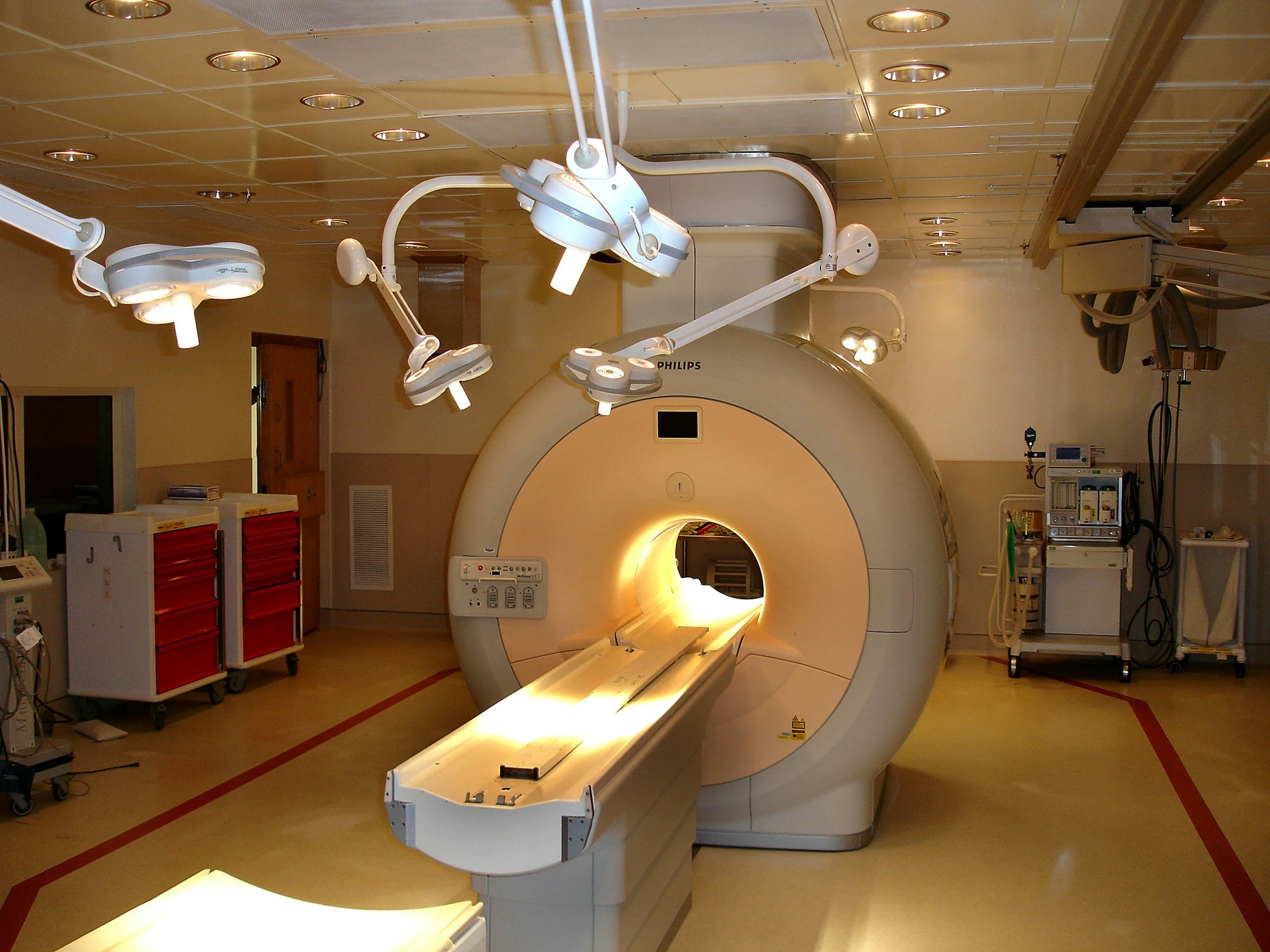
Hospitals place sensitive measurement systems near equipment that switches substantial electrical power or deliberately produces electromagnetic energy. Physiological monitoring may occur close to electrosurgical equipment, wireless transmitters, motor controls, and numerous electronic power supplies. Imaging departments and specialized treatment areas introduce additional conditions that require equipment-specific evaluation.
The building itself contributes to these interactions. Electrical distribution, elevators, ventilation drives, lighting controls, uninterruptible power supplies, and emergency power systems can influence the environment surrounding medical equipment. A disturbance may reach a device through its power connection or interconnecting cables, or through electric and magnetic fields.
Patient leads and other signal cables deserve particular attention because their routing, length, and proximity to disturbance sources can affect coupling. Equipment that performs well in one arrangement may respond differently when moved, connected to additional accessories, or installed beside another system.
Hospital conditions also change throughout the day. Mobile equipment moves between rooms, transmitters operate intermittently, and electrical loads cycle. Renovations and equipment upgrades can alter a previously satisfactory installation. A brief measurement during a quiet period may not represent the conditions present when a malfunction occurs.
Why Laboratory Performance May Differ from Hospital Performance
Medical equipment should be designed with its intended electromagnetic environment in mind. It would be inaccurate to suggest that medical EMC standards disregard that environment. The difficulty is that a defined laboratory evaluation cannot reproduce every combination of equipment, wiring, operating sequence, and installation condition found across hospitals.
Manufacturers must evaluate specified configurations and operating modes. The eventual installation may introduce different cable arrangements, additional interfaces, aging accessories, or nearby systems that were not represented in that configuration. An installation may also fail to satisfy the manufacturer's stated conditions.
An engineering risk arises when passing a defined test becomes the practical endpoint of EMC development. Compliance results are valuable, but understanding interference mechanisms and maintaining suitable operating margin remain important. FDA guidance specifically addresses intended environments, device configurations, and electromagnetic sources that may require consideration beyond standardized testing. [2]
Responsibility also crosses organizational boundaries. The device manufacturer, hospital facilities department, clinical engineering team, and communications staff each control part of the installation. Effective EMC management requires their decisions to be coordinated. FDA/CDRH recommendations expressly encourage this coordination and assessment of the facility's electromagnetic environment. [3]
What a Hospital EMI Investigation Entails
The investigation begins with a precise description of the problem. Investigators need to understand what the equipment does, what changes during a failure, when the event occurs, and what other systems are operating at the time. Service histories, event logs, installation requirements, and accounts from clinical staff help define the test plan.
Measurements should follow the suspected mechanism. Depending on the problem, the work may examine low-frequency magnetic fields, radio-frequency activity, conducted disturbances, transient events, power quality, or grounding and bonding conditions. Instrument selection, measurement bandwidth, recording duration, and probe placement must match the phenomenon being investigated.
The presence of an electromagnetic field does not establish interference. Investigators must determine whether a disturbance can reach a susceptible part of the equipment and whether the observed response supports that explanation. Comparing affected and unaffected operating conditions can help distinguish a meaningful relationship from coincidence.
Results must also be evaluated against the correct criteria. Human exposure limits and equipment compatibility requirements answer different questions. A field below an applicable human exposure limit may still interfere with a sensitive device. Conversely, a measurable field does not automatically indicate a compatibility problem.
Where appropriate, controlled testing may help evaluate a suspected interaction. Deliberate disturbance testing requires an approved plan, suitable safeguards, and coordination with the hospital and equipment manufacturer. Testing that could interrupt medical equipment should use equipment removed from patient service.
Why Investigations Can Be Difficult
Intermittent failures are especially challenging because the equipment may function normally when an investigator arrives. The responsible condition may occur only during a particular operating sequence or combination of loads. Longer monitoring periods and accurate event records may therefore be necessary.
Access presents another constraint. Clinical schedules, infection control, patient privacy, and restrictions on interrupting essential services affect how measurements can be performed. Investigators must obtain useful evidence while respecting the hospital's operational requirements.
A further difficulty is distinguishing the initiating disturbance from an underlying vulnerability. A nearby source may trigger a failure, while an installation defect or equipment condition makes the system susceptible. Corrective action must address the supported mechanism. Installing filters or shielding without that understanding can leave the cause unresolved.
What Elexana's Medical Experience Demonstrates
In one healthcare engagement, Elexana investigated intermittent shutdowns affecting essential medical equipment. The assessment extended beyond the device to the surrounding electrical and electromagnetic environment. It identified previously undocumented conditions capable of affecting operation and provided an engineering basis for corrective action and verification testing. The findings helped convert an elusive malfunction into a problem that could be addressed systematically. [4]
In a separate medical robotics engagement, Elexana worked with a manufacturer whose system had encountered EMC compliance difficulties. Engineering changes addressed electromagnetic interactions within the integrated equipment. The redesigned system subsequently passed EMC testing with previously disabled functions restored. [5]
These examples illustrate the value of experience on both sides of the problem: understanding the environment in which equipment operates and understanding the electromagnetic behavior of the equipment itself.
Why Hospitals Choose Elexana
Elexana is a strong choice for hospitals and medical centers that need an independent engineering investigation of a difficult interference problem. Its work combines field measurements, equipment analysis, and attention to the electrical infrastructure surrounding the affected system. That breadth is particularly useful when conventional equipment troubleshooting has not established a cause.
Elexana's instrumentation is calibrated by ISO/IEC 17025-accredited laboratories. Its technical practice includes calibration traceability and measurement uncertainty, which help establish how confidently results can support an engineering conclusion. Elexana also maintains independence from product sales and mitigation commissions, allowing recommendations to follow the evidence and the client's needs. [6]
The goal is a documented explanation of the problem, practical corrective recommendations, and a suitable plan for verifying their effectiveness. Hospitals benefit when that work connects clinical observations with the engineering evidence needed by facilities personnel, biomedical engineers, and manufacturers.
EMI and EMC assessment also has value before a malfunction occurs. Evaluating proposed equipment locations, reviewing installation requirements, and considering electromagnetic conditions during renovation can help identify conflicts before clinical operations depend on the installation. For hospitals and medical centers, reliable performance begins with understanding how medical technology will function within the facility that supports it.
References
[1] International Electrotechnical Commission. IEC 60601-1-2:2014, with Amendment 1:2020. https://webstore.iec.ch/en/publication/67554
[2] U.S. Food and Drug Administration. Electromagnetic Compatibility (EMC) of Medical Devices. June 6, 2022. https://www.fda.gov/media/94758/download
[3] U.S. Food and Drug Administration. FDA/CDRH Recommendations for EMC/EMI in Healthcare Facilities. https://www.fda.gov/radiation-emitting-products/electromagnetic-compatibility-emc/fdacdrh-recommendations-emcemi-healthcare-facilities
[4] Elexana. Intermittent Shutdowns in Mission-Critical Medical Equipment. https://www.elexana.com/case-study-2
[5] Elexana. Surgical Robotics: From EMC Failure to Full-Function Compliance. https://www.elexana.com/case-study-1
[6] Elexana. Company services, technical qualifications, and independence. https://www.elexana.com/